
Planning · Published 2026-08-13
Code is the minimum an inspector accepts. The ACCA quality installation standard asks for proof: load calculated, capacity matched, airflow and charge measured.
Code is a floor, not a finish line
Passing inspection means the work is safe and legal. It does not mean the system will deliver the capacity, the comfort or the operating cost the homeowner was quoted, because most of what decides those things is never inspected. Two installations of identical equipment in identical houses can perform differently for years, and the paperwork on both of them looks the same.
There is a published standard for the gap between those two outcomes. ANSI/ACCA 5 QI-2015, the HVAC Quality Installation Specification, was recognized by ANSI on August 3, 2015 and sets minimum requirements for designing, installing, testing and commissioning a system. Its premise is worth quoting plainly: a quality installation is more than using high-efficiency equipment, and the design, the installation and the final testing are what decide whether the efficiency on the box reaches the house.
The design happens before anything is ordered
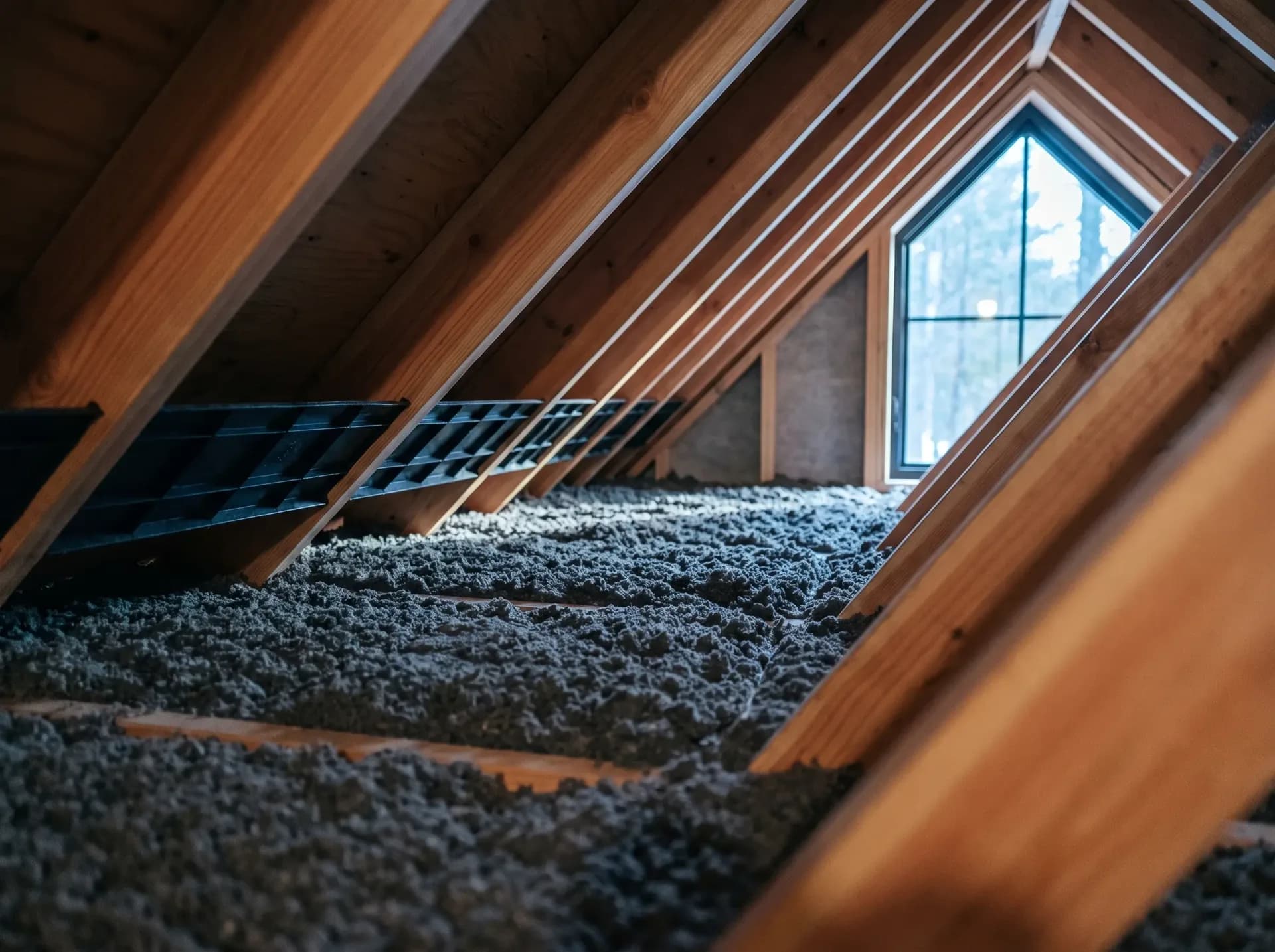
The standard starts with a heating and cooling load calculated for the building, using ACCA Manual J or an equivalent method. That is a measurement of the house: its envelope, its windows, its orientation, its air leakage. It is not the tonnage of the equipment being replaced. The old unit is evidence of what somebody once installed, and if that decision was wrong, sizing to it repeats the mistake and charges for it again.
Capacity is then selected against that number rather than against a nameplate, which is the part that matters most in New Hampshire. A cold-climate heat pump is chosen on the capacity it holds at the design temperature, not on its rating at 47 degrees. After that the distribution has to be designed to actually carry the heat: duct design on a ducted system, and on a ductless one, line-set sizing and head placement worked out room by room against each room's own load.
Measurement is what turns installed into verified
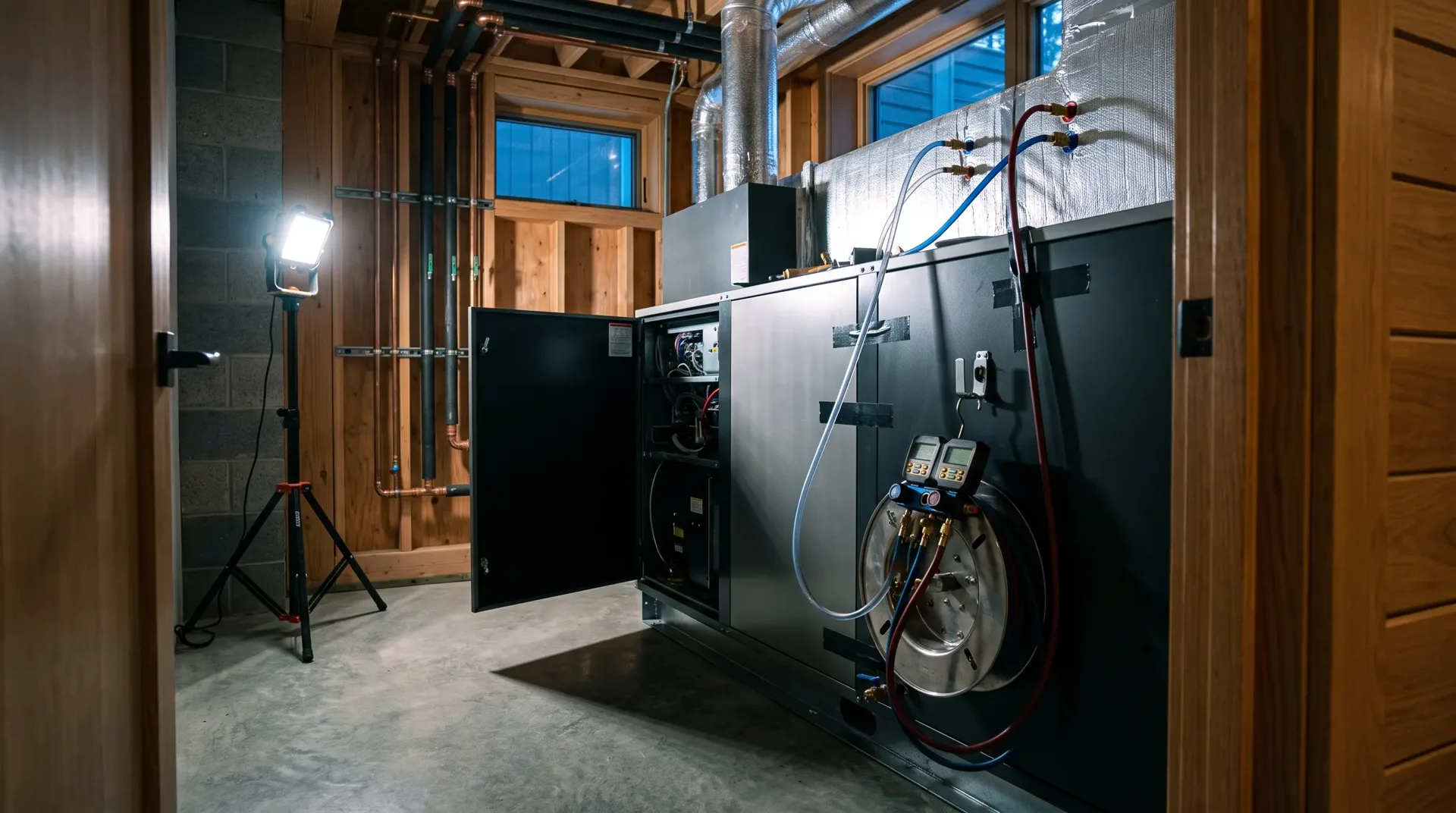
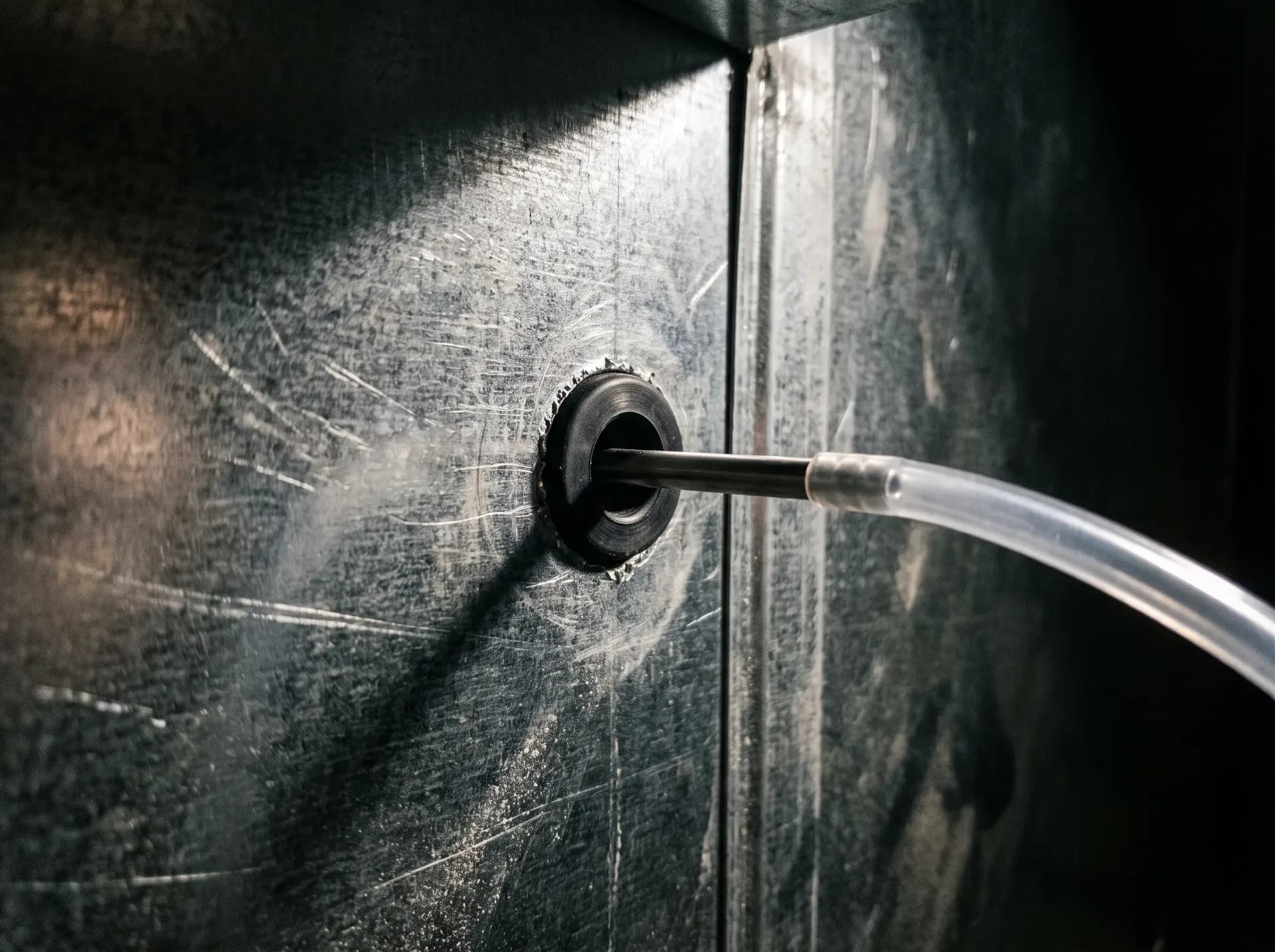
Three checks separate a system that was installed from one that was proven. Airflow and static pressure get measured with a manometer instead of assumed. Refrigerant charge gets confirmed against the manufacturer's specification using superheat or subcooling, which is the single check most responsible for how long a compressor lasts. And anything that burns fuel gets a combustion and venting safety test, which is exactly why a hybrid system that keeps an existing furnace or boiler still belongs inside this procedure rather than beside it.
The standard treats the record of those readings as part of the work rather than as extra paperwork, and I think that is the right instinct. A number written down is a number somebody can check later. The EPA's ENERGY STAR HVAC Quality Installation program estimates the savings potential from installing to this level at 18 to 36 percent for air conditioners and heat pumps and 11 to 18 percent for furnaces. That is a program estimate of potential rather than a promise about any one house, and it is the honest way to describe why the measurements are worth the hour they take.