
Hydronics · Published 2026-08-01
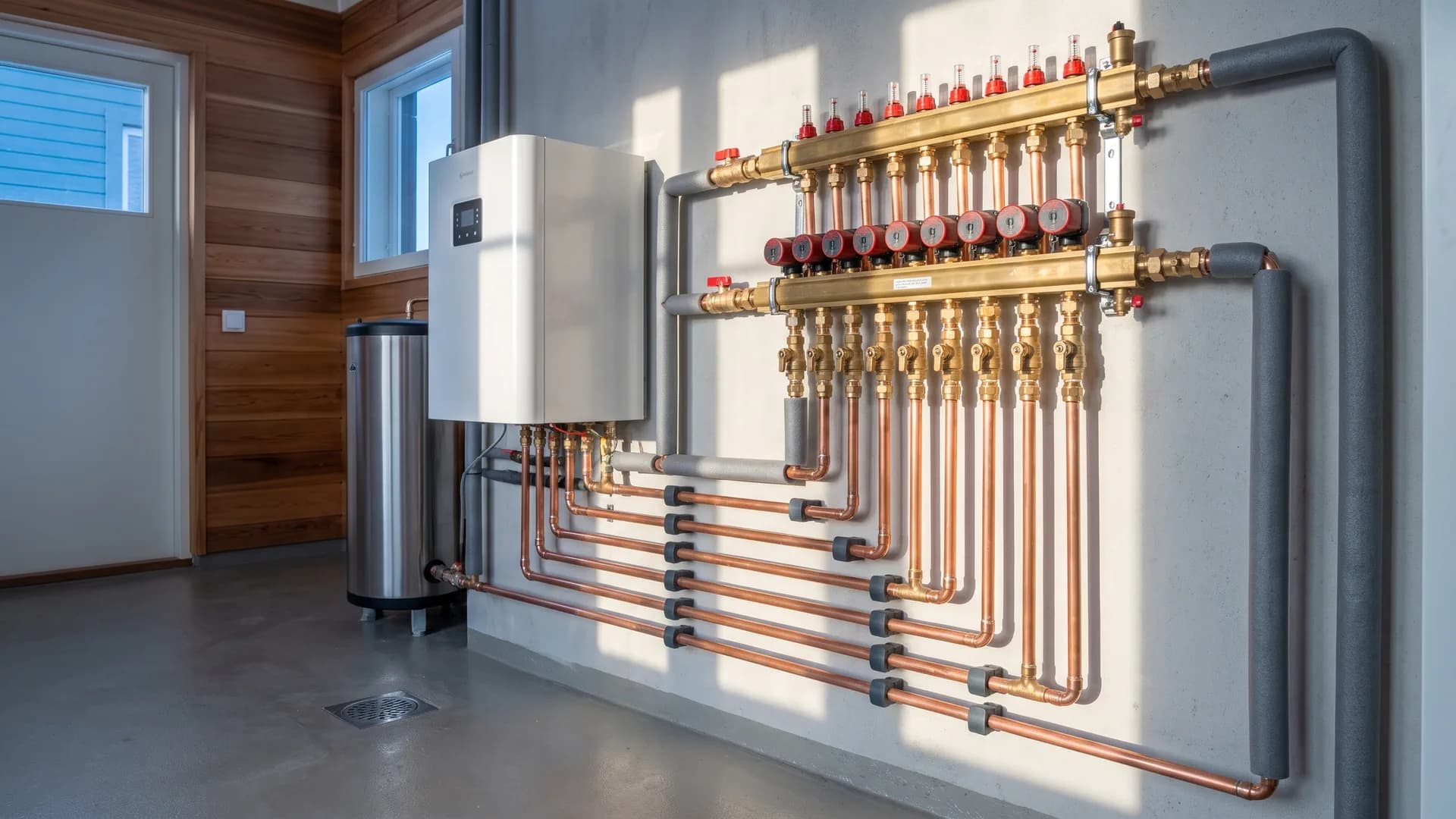
An air-to-water heat pump can drive radiant loops and domestic hot water in place of a boiler. The deciding factor is the water temperature the emitters need.
Air outside, hot water inside
An air-to-water heat pump moves heat from outdoor air into a water-based distribution system. That can connect the heat-pump conversation to radiant floors, some baseboard systems, and domestic hot water.
The idea is familiar to anyone who understands boilers, but the design temperatures and equipment behavior are different.
Water temperature is the critical question
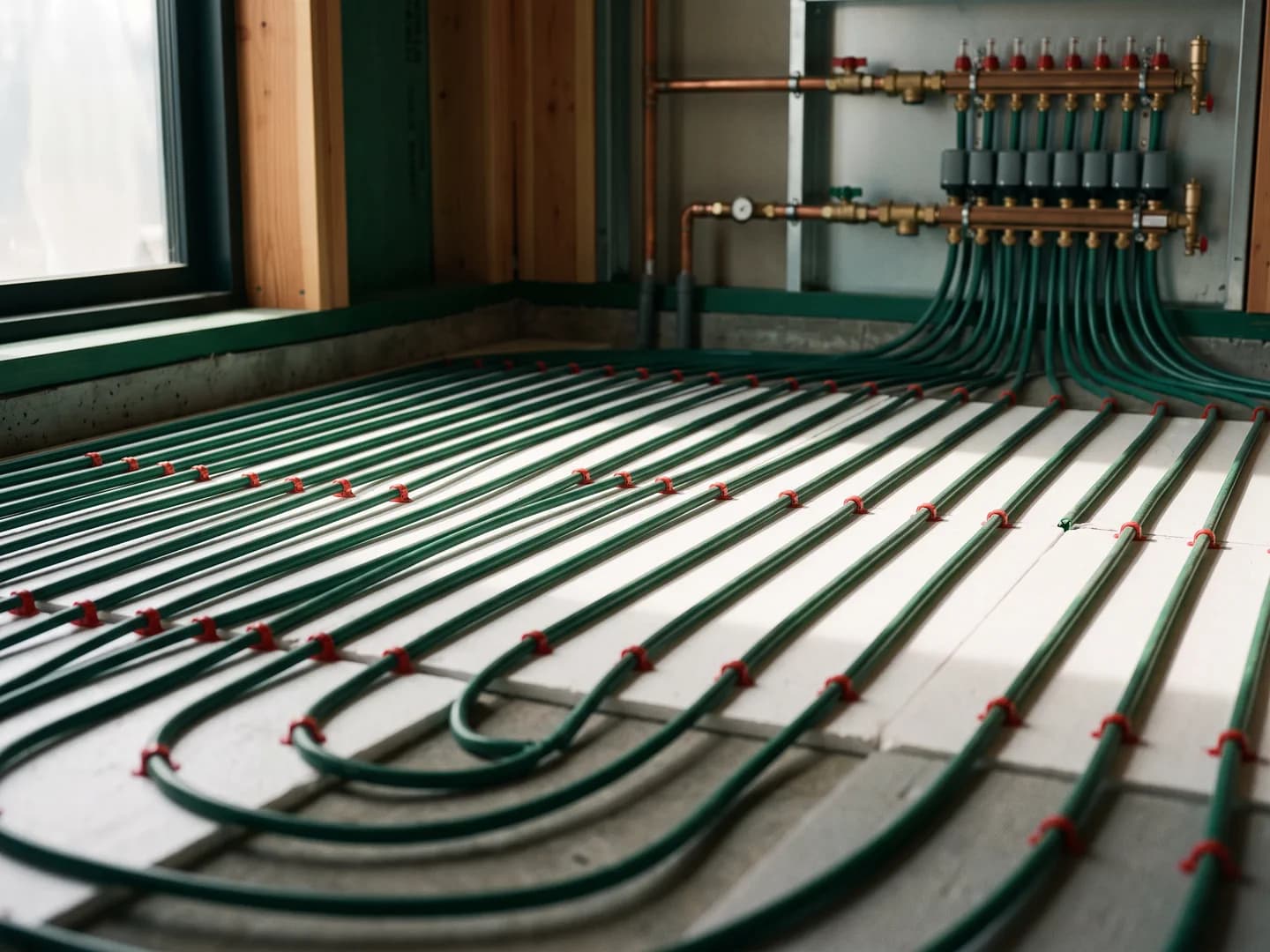
Hydronic emitters are sized around a required water temperature. A proposed heat pump must be able to serve the building load at temperatures the system can deliver efficiently.
Radiant floors often deserve attention because they may operate at lower water temperatures. Existing baseboard needs a closer output review.
Domestic hot water adds another load
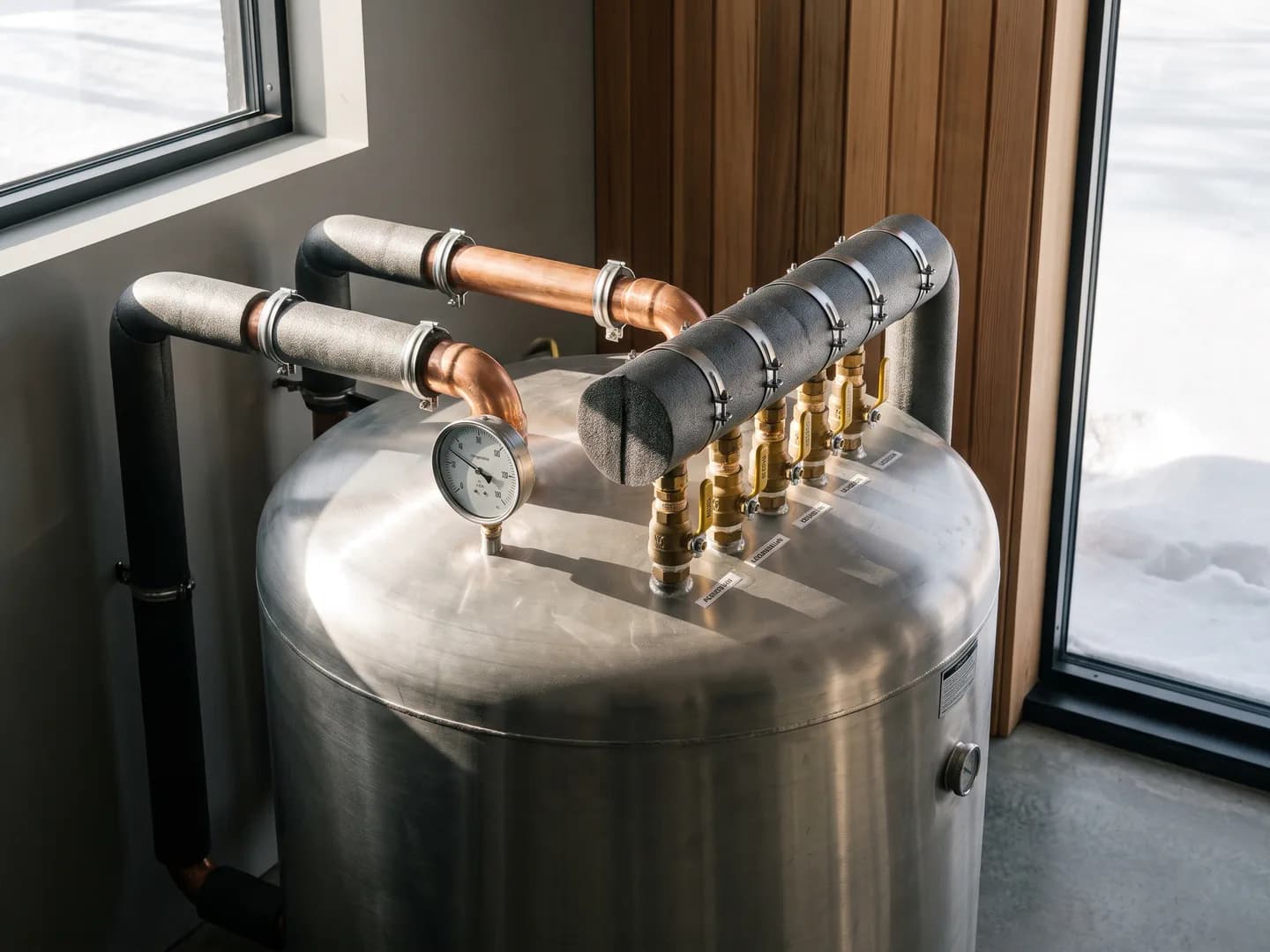
Space heating and domestic hot water do not create identical demands. Storage, recovery, controls, and household use all belong in the design.
Plumbing and hydronic experience is relevant here, but each air-to-water project still starts with measurements and equipment data.