
Planning · Published 2026-08-03
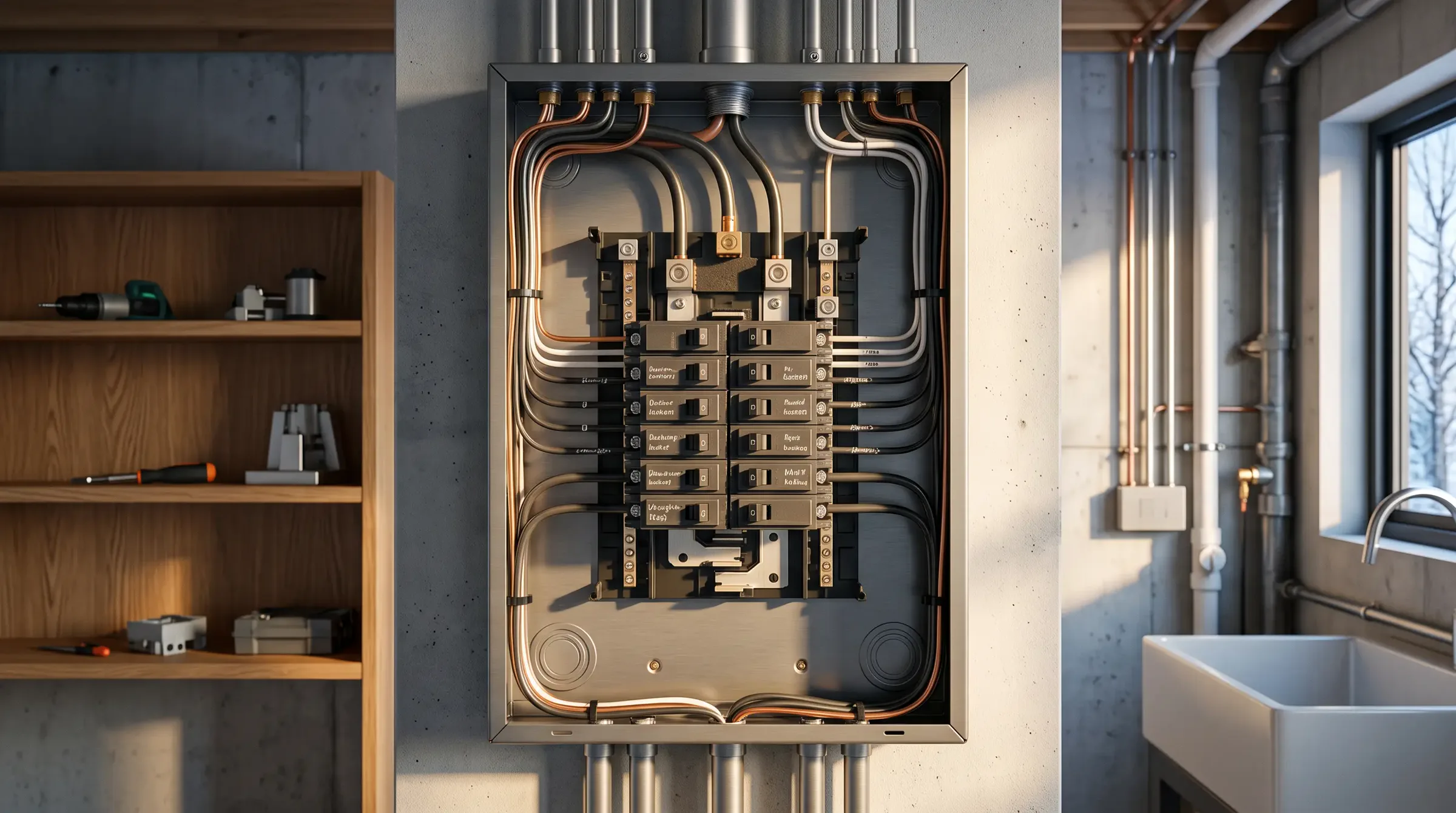
Usually yes, and the panel's amperage is not what decides it. What matters is the calculated load already on the service, which is why an electrician calculates rather than counts breakers.
The number on the panel is not the answer
Homeowners usually ask this question as a number: is 100 amps enough, or does it have to be 200. That is the wrong unit to think in, because a service is not sized by what it could theoretically draw. It is sized by a calculated load, and two houses with identical panels can land in completely different places depending on what is already connected and how those things actually behave.
An electric range, a well pump, an electric water heater and a hot tub all change the arithmetic. So does the thing a heat pump is often replacing: a house switching off electric resistance heat can end up with MORE headroom afterwards, because resistance heat is the largest electrical load most homes ever carry.
What actually gets calculated
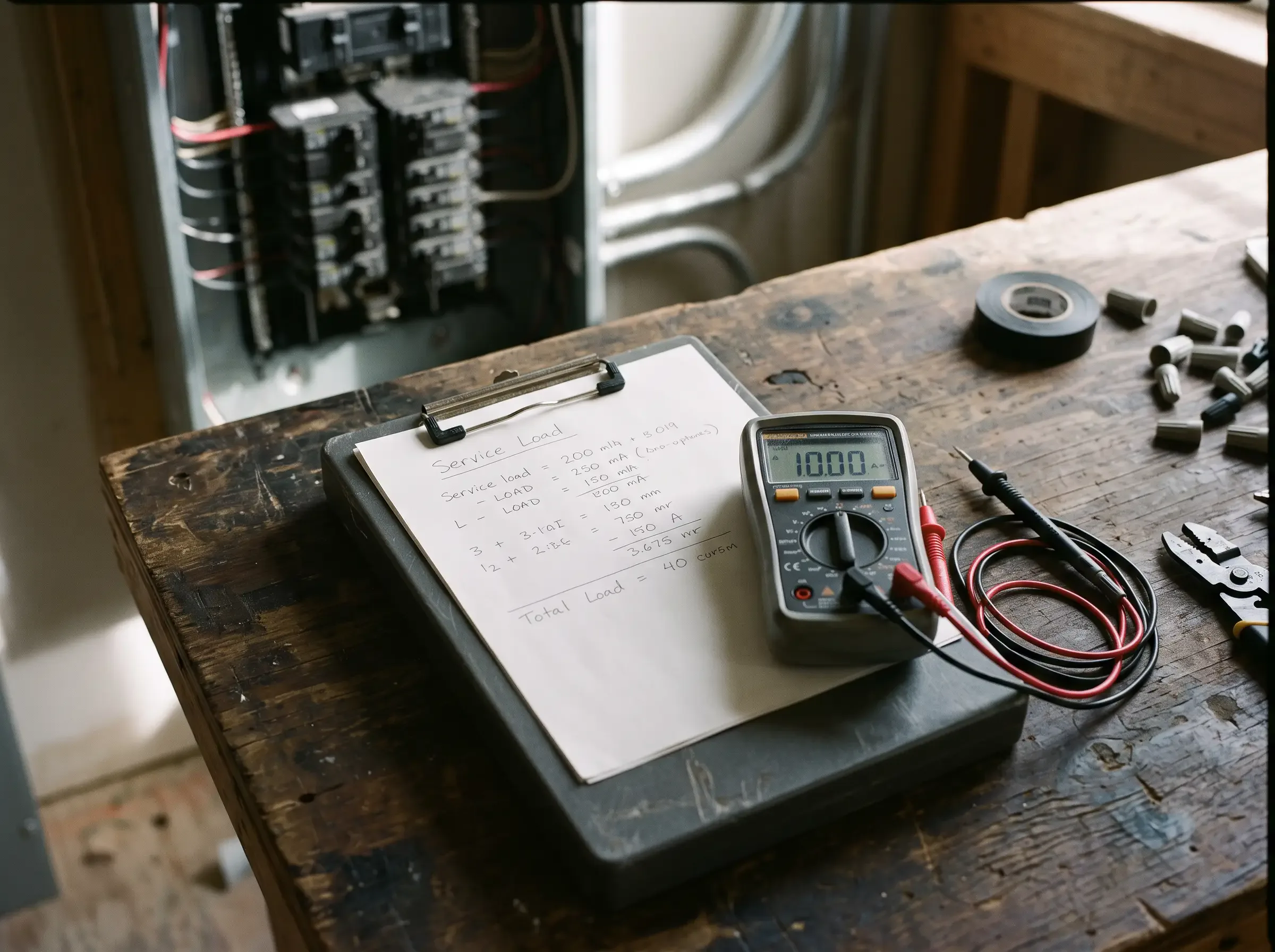
A licensed electrician runs a service load calculation to the method the National Electrical Code sets out. It totals the fixed appliance loads, applies the demand factors the code allows, and compares the result against the service rating. That is a documented calculation, not an opinion, and it is what an inspector will look at.
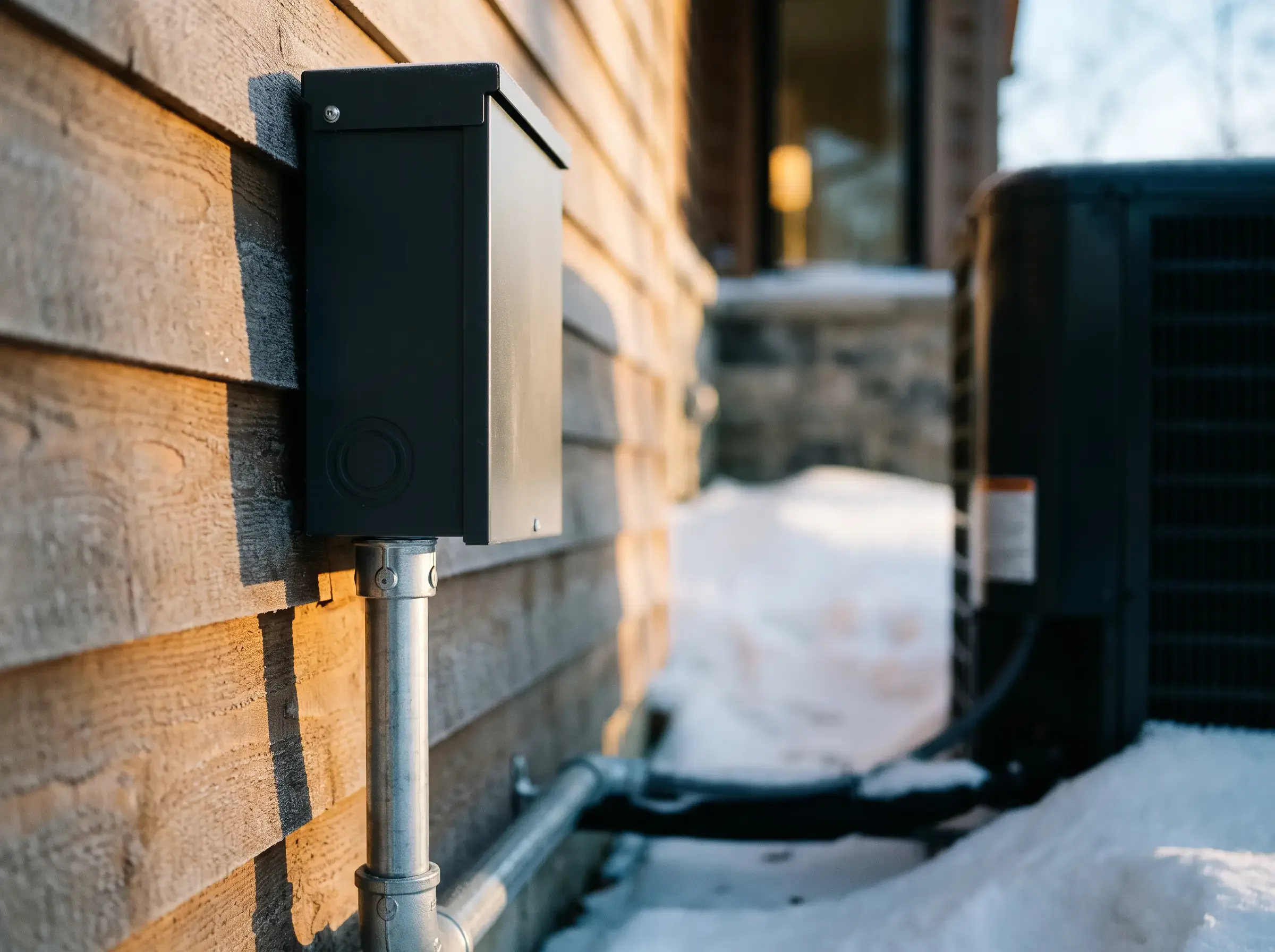
Heat pumps help themselves here. A modern inverter-driven unit modulates rather than running flat out, and its nameplate figures reflect a system designed to spend most of the winter well below maximum draw. The calculation still uses the rated values, but the equipment being replaced is frequently the heavier load.
What happens when the answer is no
Sometimes the calculation comes back short, and there are more options than a full service upgrade. Load management devices can prevent two large loads running simultaneously, which is often enough to bring a house inside its existing service. Retiring an electric load at the same time as the heat pump goes in can do the same thing.
Where a service upgrade genuinely is required, the honest thing is to say so before anyone signs, not after the equipment is on site. It is a real cost, it involves the utility, and it belongs in the plan from the first conversation rather than arriving as a surprise in week three.