
Planning · Published 2026-08-01
Often yes, and that is a reliability decision rather than a failure to electrify. Boiler condition, chimney, fuel storage and the control sequence decide it.
Keeping backup can be the honest answer
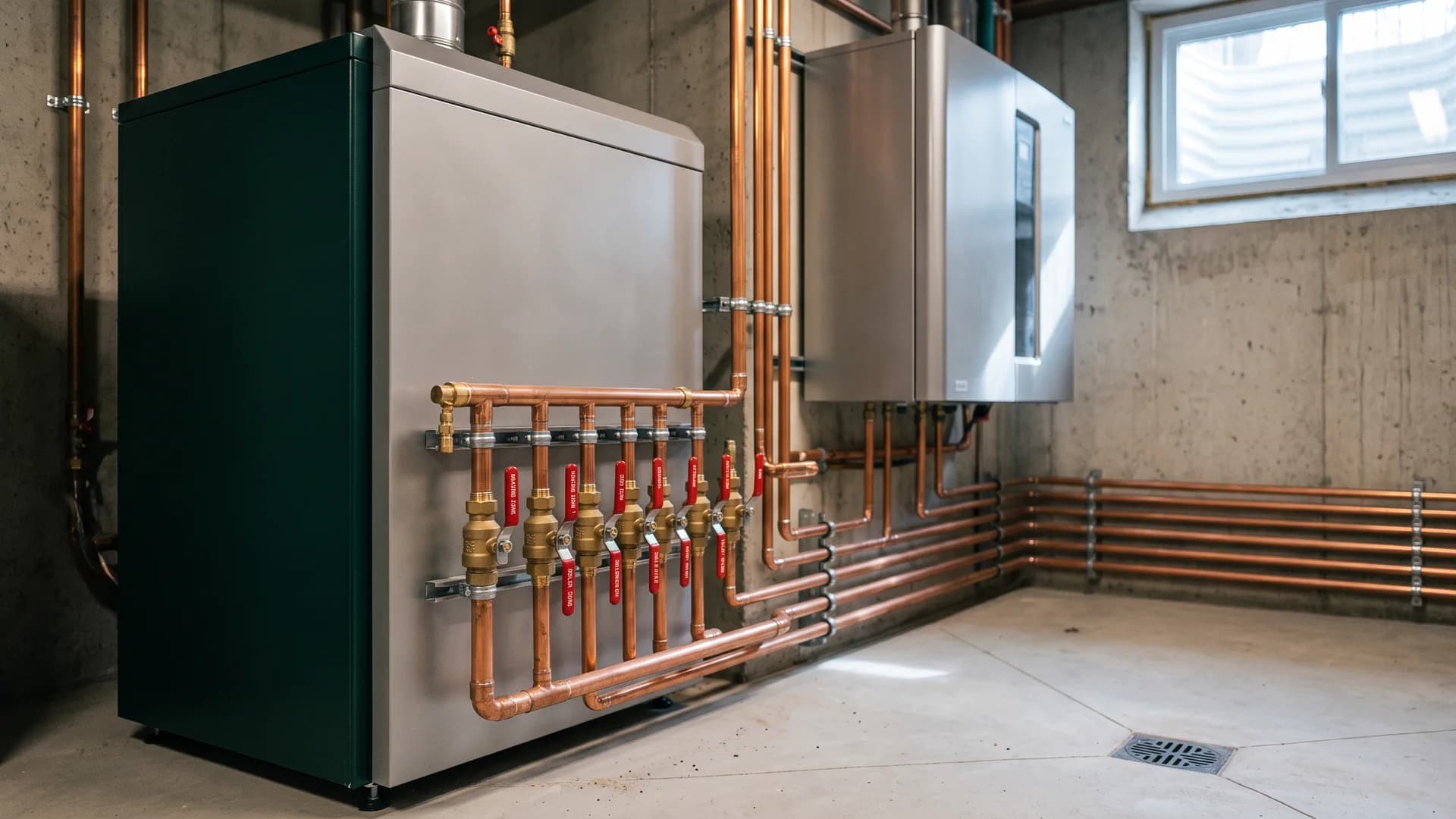
A sound existing boiler can provide resilience during severe weather, serve a difficult zone, or remain while a homeowner learns how a new heat pump performs in the building.
That does not make a hybrid plan mandatory. It means removal should follow an inspection and a load discussion, not a slogan about eliminating oil.
Condition and controls matter
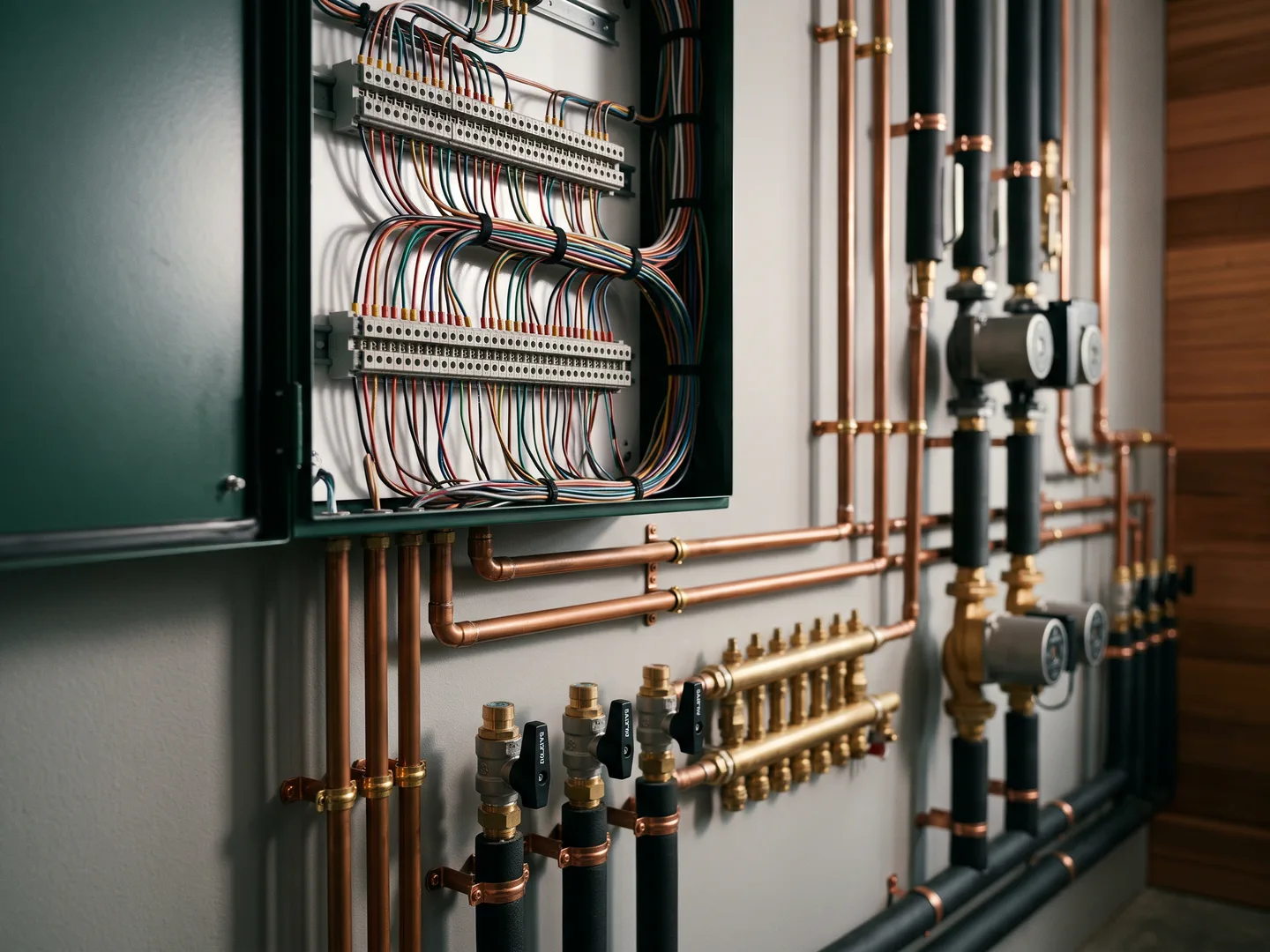
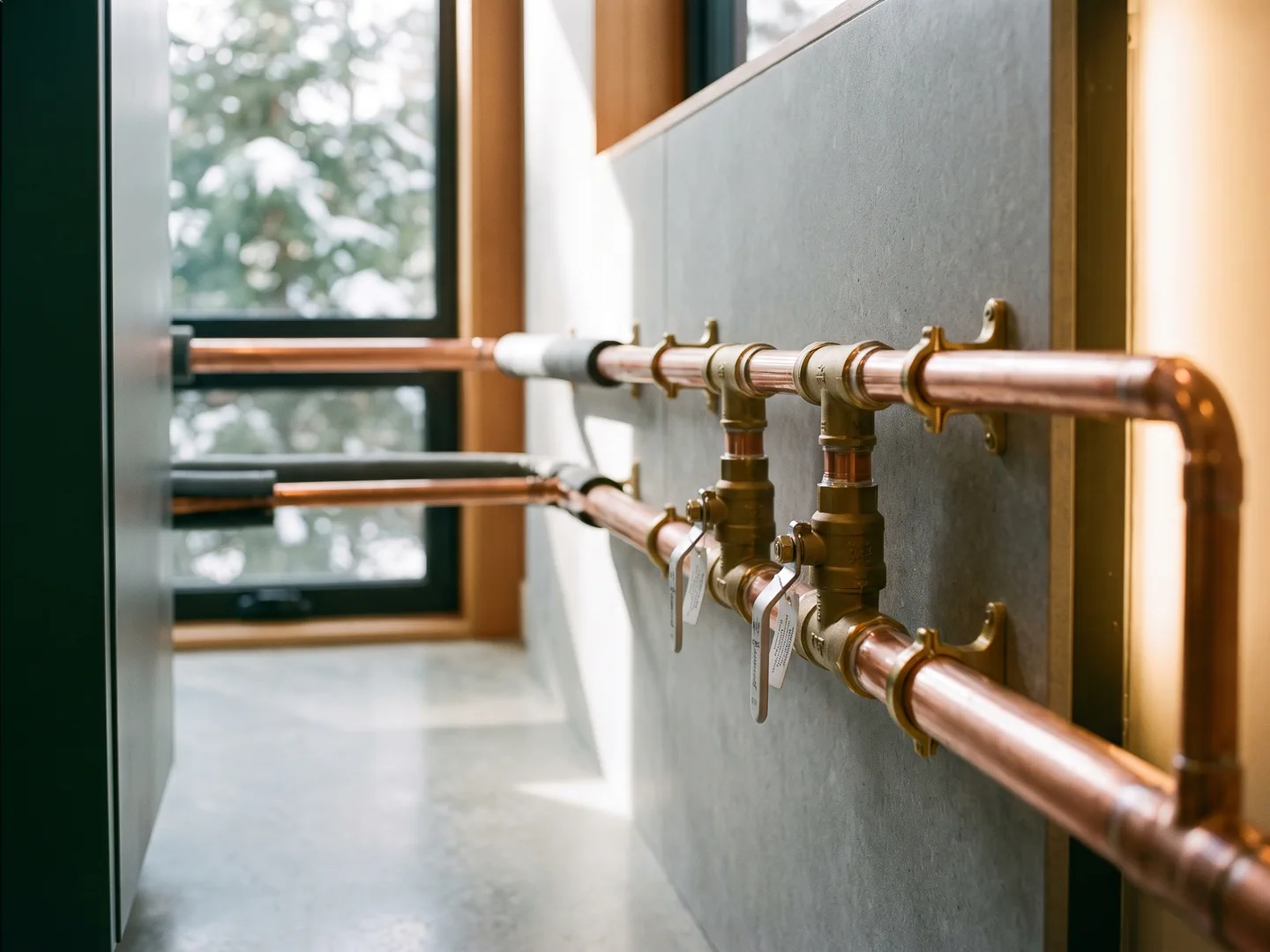
The boiler's age, condition, service history, chimney, fuel storage, and distribution all affect the decision. A backup system that is unsafe or unreliable is not useful insurance.
Controls also need a clear sequence. The homeowner should understand when each system runs and how to respond if one source is unavailable.
Plan the transition in stages when appropriate
Some projects begin with a heat pump serving the largest load or the hardest rooms while the boiler remains. Actual performance and energy use can then inform a later decision.
A staged plan should still be designed as a system. Random additions can create competing controls and comfort gaps.