
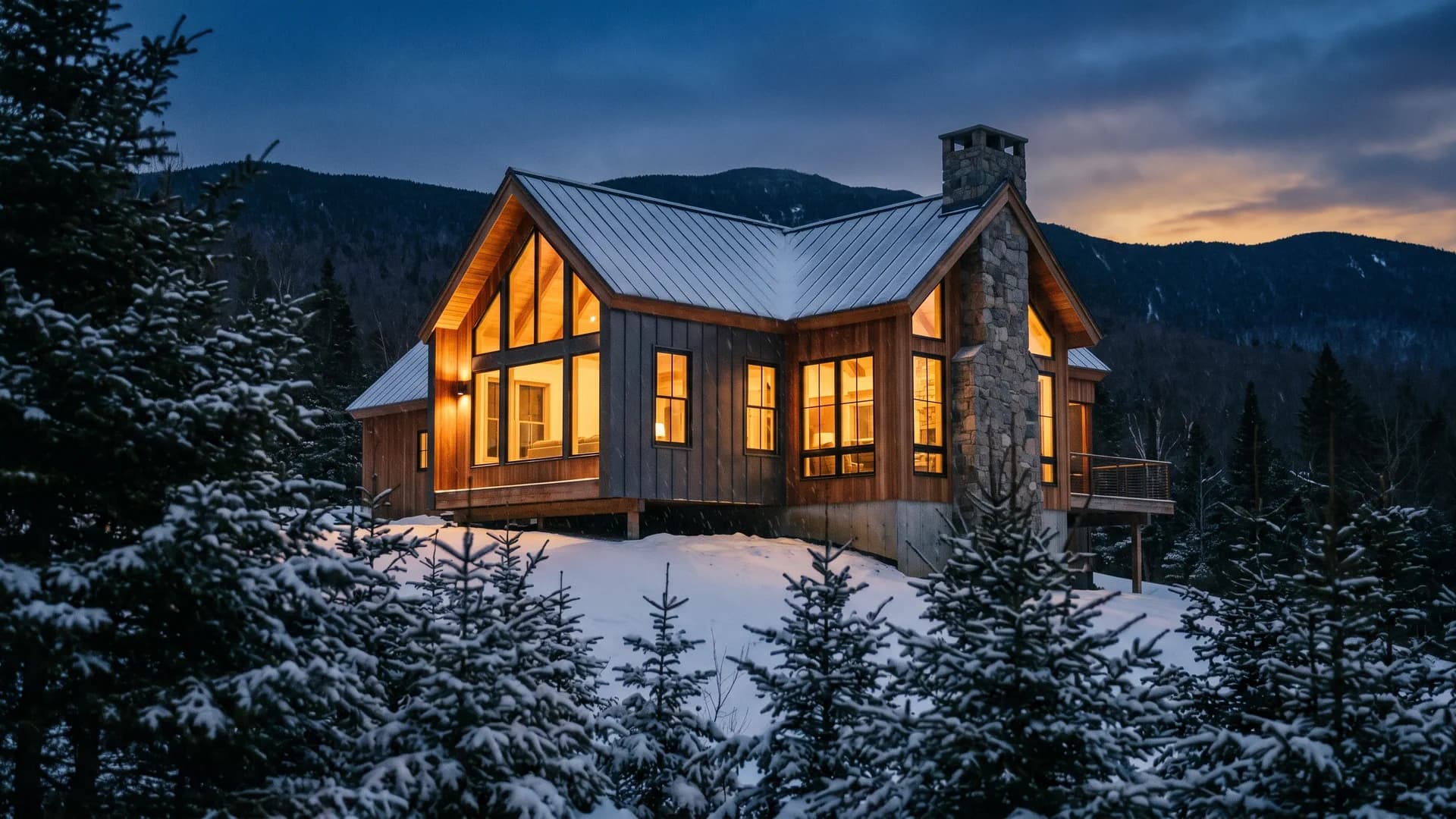
Cold climate · Published 2026-08-01
A vacant house changes the design: capacity, backup heat, freeze protection and fault detection matter more than features. Deep setbacks need particular care.
Vacancy changes the risk discussion
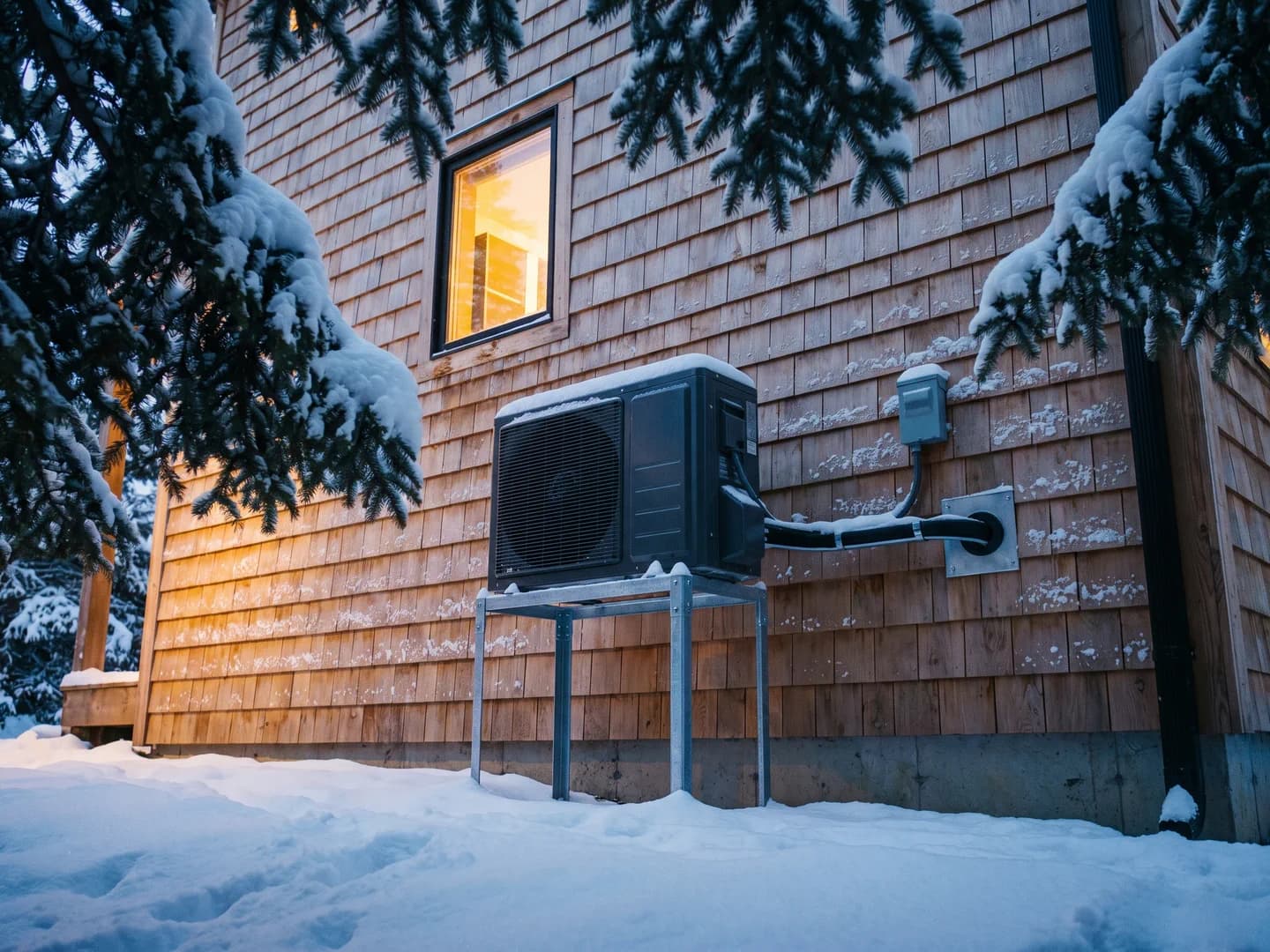
A second home can sit through severe weather without anyone present to notice a fault. The heating plan needs to consider equipment capacity, backup, controls, freeze exposure, and how a problem will be detected.
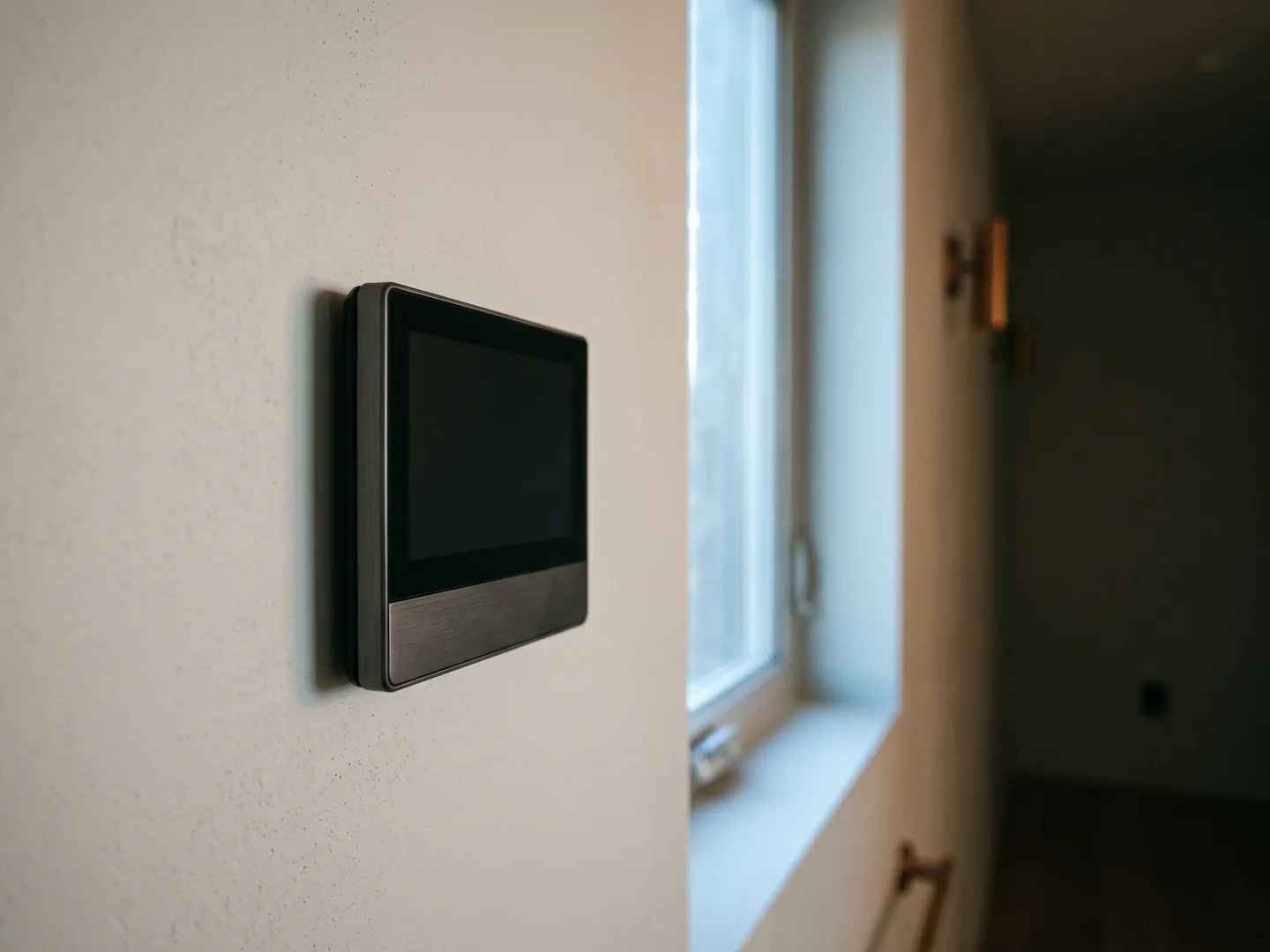
Remote access can be useful, but a phone screen is not a substitute for a reliable system design or a response plan.
Setback needs careful thought
Deep temperature setbacks can create a long recovery load when the house is occupied again. The building, equipment, controls, and arrival pattern should shape the strategy.
A steady lower temperature may suit some homes better than large swings. The answer should come from the actual property and system, not a universal rule.
Backup should be explicit
If a boiler, furnace, resistance heat, or another source remains, the homeowner should understand when it runs and what happens if the primary heat pump stops.
That sequence is especially important in the northern corridor. Reliability is a design goal that should be visible in the proposal.